

Holi
Holi
[wonderplugin_video videotype=”mp4″ mp4=”https://coloursofindia.org/wp-content/uploads/2025/07/6198136-hd_1920_1080_30fps.mp4″ webm=”” poster=”” lightbox=0 lightboxsize=1 lightboxwidth=960 lightboxheight=540 autoopen=0 autoopendelay=0 autoclose=0 lightboxtitle=”” lightboxgroup=”” lightboxshownavigation=0 showimage=”” lightboxoptions=”” videowidth=700 videoheight=400 keepaspectratio=1 autoplay=1 loop=1 videocss=”position:relative;display:block;background-color:#000;overflow:hidden;max-width:100%;margin:0 auto;” playbutton=”https://coloursofindia.org/wp-content/plugins/wonderplugin-video-embed/engine/playvideo-64-64-0.png”]
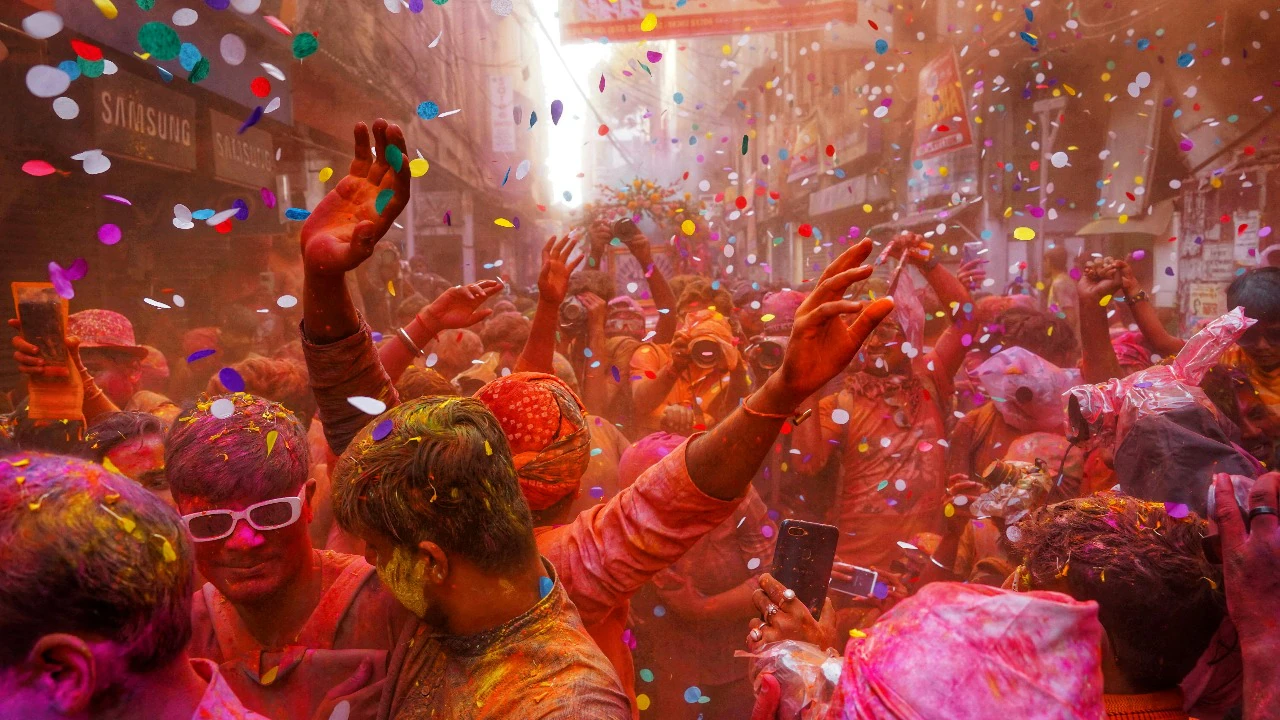
Festival of Colors” or the “Festival of Love”, it marks the arrival of spring, the victory of good over evil, and is also a time for forgiveness and renewal in relationships.
When is Holi celebrated?
- Holi typically falls in March, on the full moon day (Purnima) in the Hindu month of Phalguna.
- The date changes each year based on the lunar calendar.
🎉 How is Holi celebrated?
1. Holika Dahan (Bonfire Night)
- Eve of Holi
- Symbolizes the burning of the demoness Holika, representing the triumph of good over evil.
- People gather to light bonfires, sing, and perform rituals.
2. Rangwali Holi (Color Day)
- The main day of celebration
- People throw colored powders (gulal) and spray water at each other.
- Music, dance, sweets (like gujiya), and bhang (cannabis-infused drink) are common.
🌈 Significance of Holi
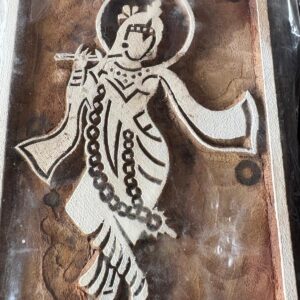
- Mythological: Based on the legend of Prahlad and Holika, and also associated with Lord Krishna, who playfully colored Radha and other gopis.
- Seasonal: Welcomes spring and bids goodbye to winter.
- Social: Breaks down barriers between classes, ages, and backgrounds—everyone joins in.
🌍 Holi Around the World
- Celebrated in India, Nepal, Bangladesh, and by the Indian diaspora in places like the UK, USA, Canada, South Africa, and Australia.
- Non-religious versions of Holi-themed color festivals are also popular globally.